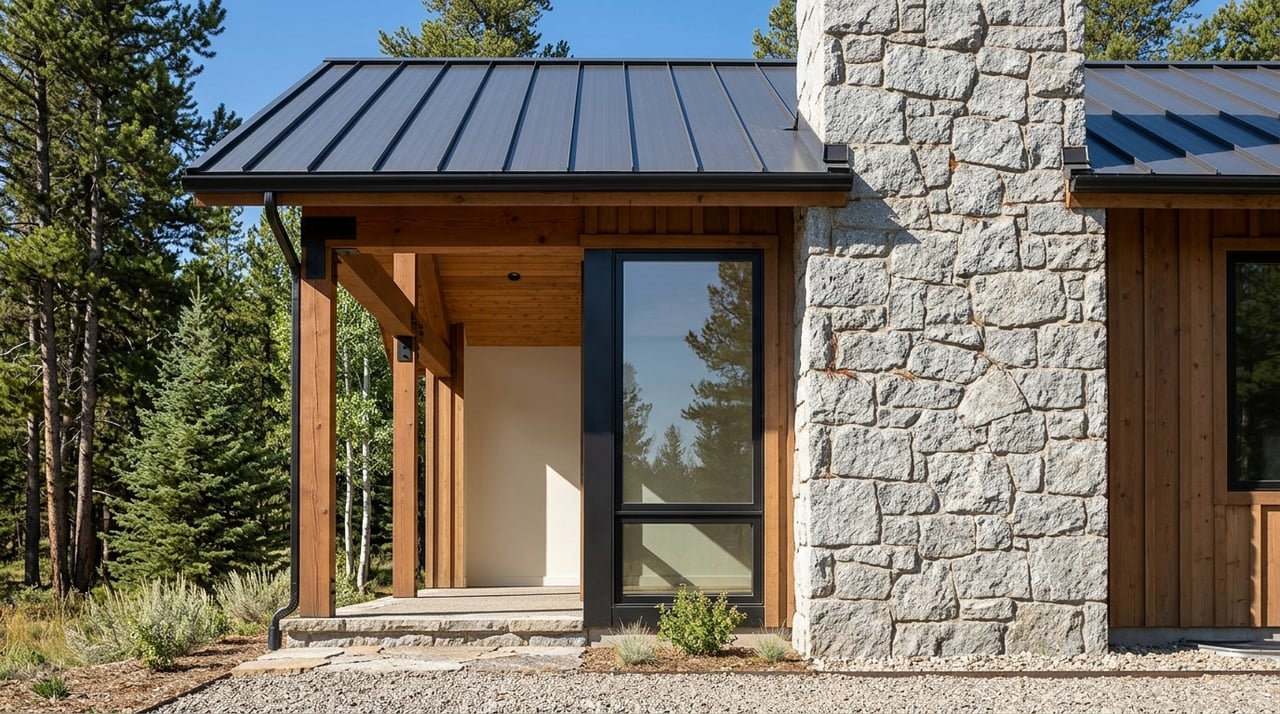
Dreaming about a cabin in Moran usually starts with the view. Wide-open space, quick access to Grand Teton and Yellowstone, and a real sense of privacy can make the area feel like the mountain retreat you have been picturing for years. But buying here is not just about scenery. You also need to understand seasonal access, utilities, water, septic, and county rules so your retreat works as beautifully in real life as it does on paper. Let’s dive in.
Why Moran Appeals to Retreat Buyers
Moran is not a typical town-center market. It functions more like a gateway area near Grand Teton National Park, with access to places like the Snake River, Two Ocean Lake Trailhead, Oxbow Bend, and Cunningham Cabin Historic Site. Moran Junction also sits near key routes that head north toward Yellowstone’s south entrance and south toward Moose and Jackson.
For many buyers, that is exactly the appeal. You are not choosing Moran for a long list of walkable services or a resort-village atmosphere. You are choosing it for landscape, recreation, quiet, and breathing room.
The service base is limited, which shapes the ownership experience. The local area includes a post office, Triangle X Ranch, an aquatic invasive species inspection station, and some restaurants, shops, and lodging outside the park. In practical terms, that means Moran often fits buyers who value privacy and are comfortable with a more self-reliant lifestyle.
What Cabin Ownership Feels Like in Moran
A retreat in Moran can feel wonderfully removed from the pace of busier markets. That can be a major advantage if you want a property that serves as a true escape. It can also mean that simple ownership tasks require more planning than they would in a more service-heavy location.
Before you buy, it helps to think beyond the cabin itself. Consider how you will handle deliveries, maintenance visits, storm prep, guest arrivals, and seasonal property checks. In Moran, ease of ownership often comes down to the details behind the scenes.
Seasonal Access Matters More Than You Think
In Moran, access is one of the first things to verify. Grand Teton National Park is open year-round, 24 hours a day, but from November through April some roads, all campgrounds, and most visitor facilities are closed or operate with reduced hours. Winter travel can also bring ice, hard-packed snow, and whiteout conditions.
That seasonal reality should shape how you evaluate any cabin or retreat property. A place that feels easy to reach on a sunny summer day may feel very different during winter weather. If you plan to use the property year-round, access needs to be part of your buying decision from the start.
Roads to Review Carefully
The main highways, US 89/191 and US 26/287, are plowed and open for winter travel from Jackson to Flagg Ranch. At the same time, Teton Park Road closes from November 1 to April 30, and Moose-Wilson Road closes from November 1 until mid-May, depending on conditions. Yellowstone roads are also generally closed to motorized vehicles in winter, except for the Mammoth Hot Springs to Cooke City corridor.
There is also active construction across the park in 2026, which means travel times may change. If you are scheduling showings, inspections, or contractor visits, route timing should be checked in advance.
Rural Access Can Be More Basic
Some scenic routes in the Moran area are less improved than buyers expect. For example, the final stretch of road to Two Ocean Lake is dirt, and parking there is limited. That does not mean a property is not desirable. It means you should confirm whether your access expectations match the setting.
Access Questions to Ask
- Is the property on a year-round route?
- Who plows the driveway and any shared or private access road?
- Can guests and emergency services reach the property in winter?
- Does the route depend on roads that close seasonally?
Wells, Water, and Septic Deserve Close Attention
Utilities in Moran often look different from what buyers may be used to in more developed areas. In rural Teton County, many properties rely on private wells or springs for drinking water. That makes water source, water quality, and maintenance history central parts of due diligence.
Teton County recommends bacteriological testing at least once or twice per year for private water sources. The county also recommends testing before a real estate transaction and after flooding, well maintenance, or new well construction. For cabin buyers, that makes water testing a standard step, not an optional extra.
Why Septic Review Matters
If a property uses septic, permit and design history matter. Teton County’s Small Wastewater Facility permit application requires site information, groundwater and soil data, and design by a licensed Wyoming Professional Engineer. The application also asks for the drinking-water source, which shows how closely the county reviews water and wastewater together.
For you as a buyer, that means septic is not just a box to check. You want to understand system type, permit history, site conditions, and whether the property’s use aligns with the existing setup.
Utility Checklist for Moran Buyers
- Confirm whether the property uses public water, a private well, or a spring
- Review recent water testing results and maintenance history
- Confirm whether the property is served by septic
- Review septic permit history and any available soil or groundwater data
- Ask how utility systems are maintained through winter
Legal Access and Driveways Need Verification
In rural areas, legal access and practical access are not always the same thing. A cabin may appear easy to reach, but the legal right to use a road or the county requirements tied to a driveway still need to be confirmed.
Teton County requires a Road Access Permit to construct or alter a driveway off a county road. The permit application must include a sketch showing the driveway, property lines, drainage, and other site features. The road department may inspect the work and require changes or repairs.
That is why access review should include both paperwork and real-world use. You want to know not only how you get there, but whether that access is properly documented and maintained.
Water Rights and Setbacks Can Affect Use
One of the biggest misconceptions in rural Wyoming is that visible water automatically means usable water rights. Teton County states that all water is owned by the State of Wyoming, and water rights to a ditch or stream on a property are not automatic. If a parcel includes a creek, ditch, or river edge, those rights should be verified separately.
Setbacks also matter when you are evaluating buildability or future improvements. Teton County lists setbacks of 150 feet from rivers, 100 feet from perennial or intermittent streams and natural lakes or ponds, 30 feet from ephemeral streams, and 50 feet from wetlands. Subdivision plats may also include their own building envelopes or setback notes.
What This Means for Buyers
If you are buying a finished cabin, these rules can still affect additions, accessory structures, utility work, and site changes. If you are buying land for a future retreat, they can have a major impact on what and where you can build. Reviewing the plat and site constraints early can save time and frustration later.
Wildlife and Wildfire Are Part of Ownership
Moran ownership comes with remarkable natural surroundings, and that includes wildlife. Grand Teton notes that bears are active throughout the park, including near roads, trails, and developed areas, and visitors should stay at least 100 yards from bears and wolves. For property owners, that makes everyday habits important.
You will want to think about garbage storage, guest education, and how outdoor spaces are used. In a retreat setting, wildlife awareness is part of responsible ownership.
Wildfire planning matters just as much. Teton County says wildfire season generally runs from June through September, with the highest risk in July and August. That seasonal pattern should be part of how you think about home design, maintenance, and preparedness.
WUI Rules Can Shape Building Decisions
Effective January 1, 2025, all private land parcels in Teton County and the Town of Jackson fall within the adopted wildland urban interface, or WUI, map. That has real implications for cabins, retreats, and future construction.
Teton County says all utilities must be installed underground. The county also notes that new construction in the WUI requires review, some homes may need automatic sprinklers, and structures of 5,000 square feet or larger must be sprinklered. In the WUI, above-ground LPG tanks are required to be buried.
These are not small details. They can affect planning, budgeting, design, and long-term ownership costs. If you are considering a remodel, a new build, or a legacy property purchase, WUI review should happen early.
A Smart Moran Buying Strategy
The best Moran purchases tend to happen when the lifestyle vision and the property realities match. A beautiful retreat becomes much more enjoyable when you have already confirmed how it is accessed, how it is serviced, and what county rules may apply.
A thoughtful buying process often includes a closer look at:
- Winter access and plowing responsibility
- Water source and water testing history
- Septic permits and site suitability
- Road and driveway legality
- Water rights, setbacks, and plat notes
- WUI requirements and wildfire considerations
- Seasonal road closures and route changes
Moran can be an exceptional place to own a cabin or retreat. It rewards buyers who appreciate privacy, recreation, and a more independent ownership style, while also doing the right local homework before closing.
If you are exploring cabins, land, or retreat properties in Moran or the greater Jackson Hole area, Campbell • McPeak • Jennings Property Group can help you evaluate the details that matter most and move forward with confidence.
FAQs
What makes Moran, Wyoming appealing for a cabin or retreat purchase?
- Moran appeals to buyers who want scenery, privacy, recreation access, and a quieter ownership experience rather than a traditional town-center setting with extensive services.
What should you verify about winter access when buying a cabin in Moran?
- You should confirm whether the property sits on a year-round route, who handles plowing, whether guests and emergency services can reach it in winter, and whether access depends on seasonally closed roads.
What utility issues should you check when buying a retreat property in Moran?
- You should confirm the water source, review water testing and maintenance history, verify whether the property uses septic, and review any available septic permits, soil data, and system details.
What should you know about water rights and setbacks for Moran properties?
- In Teton County, water rights are not automatic just because water is visible on a property, and county setbacks from rivers, streams, lakes, ponds, wetlands, and ephemeral channels can affect building or future improvements.
How do wildfire and WUI rules affect cabin ownership in Moran?
- Because all private land parcels in Teton County fall within the adopted WUI map, buyers should review underground utility rules, possible sprinkler requirements for new construction, and fuel tank placement standards as part of their planning.
What wildlife considerations come with owning property near Moran?
- Buyers should expect wildlife awareness to be part of daily ownership, including safe garbage storage, thoughtful outdoor habits, and clear guest expectations in an area where bears are active.