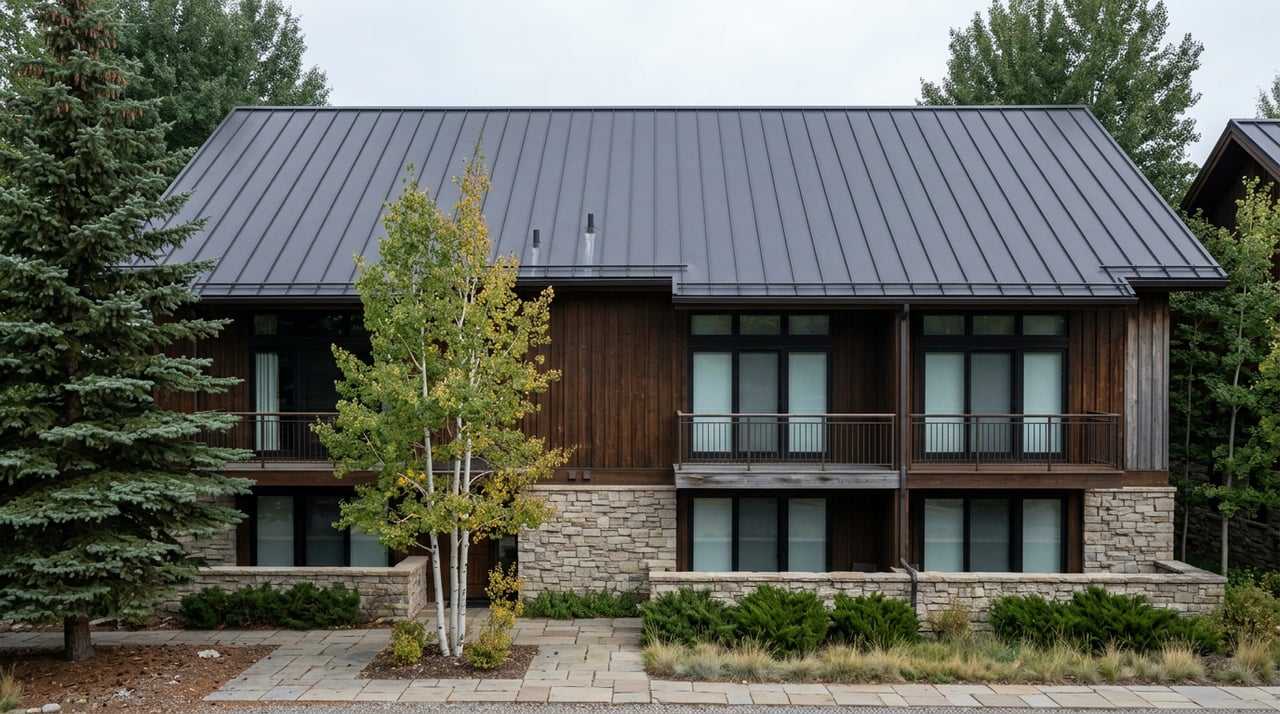
A buyer finds the unit they want at the base of the tram, inside walking distance of the gondola, priced right in the middle of the range. Their pre-approval letter is solid. Then their lender asks for the condominium project's budget, its reserve study, and confirmation of how many units are owner-occupied versus in a rental pool. A week later, the loan officer calls back with bad news: the project doesn't qualify for a conventional loan. The buyer isn't confused about the mountain. They're confused about what they actually agreed to buy.
That confusion is common in Teton Village, and it isn't a paperwork glitch. It's the market working exactly as designed. "Teton Village condo" describes at least five legally distinct products sitting on the same few blocks, and each one carries different rental rights, different carrying costs, and a different path to financing. Understanding which one you're looking at matters more than the listing photos.
The Same Six Blocks, Five Different Products
Walk from the tram plaza in any direction and you'll pass through all five without noticing the property lines change.
- Original-era deeded condos. Units built in the 1960s and after, owned outright like a condo anywhere else, subject to whatever rental rights the building's zoning history allows.
- Condo-hotel hybrids. Properties like the Four Seasons, Hotel Terra, Teton Mountain Lodge & Spa, and Snake River Lodge & Spa combine private ownership with hotel operations. Hotel Terra, for instance, is a 132-room, 57-condominium-unit property that opened in 2008 as a $34 million development and has been recognized by Condé Nast Traveler as a top ski hotel. Teton Mountain Lodge & Spa places its 88 individually owned units into a managed rental pool and has been operated by Noble House Hotels & Resorts since August 2025.
- Fractional and Private Residence Club shares. This ownership type is common at the higher end of the resort core.
- Single-family ski-access homes. Enclaves like Granite Ridge and Crystal Springs, sitting closer to the whole-ownership end of the spectrum, with the private Shooting Star club community adjacent for buyers who want golf as well as skiing.
- Workforce and attainable ownership units. Teton County identifies developments like Homesteads at Teton Village as affordable and workforce housing. These aren't part of the general vacation-home market at all.
Five products, one zip code. A buyer comparing prices across these categories the way they'd compare two houses on the same street is comparing assets that don't actually behave the same way once they own them.
The Zoning Line Even Locals Have to Double-Check
The assumption that trips people up most is rental income. It gets repeated often enough that buyers treat it as a blanket rule. It isn't.
Teton County's land development regulations restrict rentals of less than 31 days to specific zones, and even inside those zones, eligibility is described as applying to "portions or the entirety" of the district, not automatically to every parcel within it. There's also a specific historical trigger: buildings inside Teton Village and a handful of other named resort districts that were permitted before September 14, 2004 as a single-family dwelling, duplex, or townhouse could then, and may still, be used for transient lodging. Buildings that came later follow a different track entirely.
The zoning that allows short-term rental income in Teton Village was never a blanket approval for the whole neighborhood. It was, and still is, decided building by building.
This is why two agents can tell a buyer two different things about the same street. It isn't disagreement. It's that the answer genuinely depends on the parcel, the building's permit history, and the governing documents attached to that specific project. Confirming status with Teton County Planning before assuming rental income isn't a formality. It's the only way to know what you're actually buying the right to do.
What a Deeded Condo Costs You That a Condo-Hotel Doesn't
Once ownership type is settled, the carrying costs diverge just as sharply. Condo-hotel and other high-service buildings routinely carry HOA and management fees that top $20,000 a year, covering staffing, housekeeping, utilities, and shared amenities like spas and pools. Townhome communities typically budget in the mid five figures annually for exterior maintenance and shared services. Single-family homes may have little or no community HOA fee at all, but the owner pays directly for insurance, snow removal, landscaping, utilities, and repairs instead of splitting them across a building.
Financing follows the same divide. Wyoming's lack of a state personal income tax is a real advantage for owners here, but it has no bearing on whether a specific building will clear underwriting. Those are two separate conversations, and conflating them is how buyers end up surprised late in the process.
Why the "Median Price" Jumps Around So Much
This is where the ownership split shows up in the data itself, and it's worth sitting with because it changes how you should read any headline number for this neighborhood.
As of June 2026, Homes.com listed 14 condos for sale in Teton Village priced between $640,000 and $11,500,000, with a median of $1,485,000 and an average sale price of $2,390,821. Condos were spending an average of 114 days on the market. Around the same time, Redfin's three-month window ending May 2026 put the median sale price across all home types at $909,456, a drop of 48.8% from the prior year.
Two credible sources, roughly the same month, reporting medians that differ by more than half. That gap isn't a sign that one source is wrong. It's a sign of how few transactions actually close in Teton Village in any given stretch, and how much a single closing can move the number. When a small studio-style condo-hotel unit and a multi-bedroom ski-access estate in Granite Ridge are the only two sales in a given window, the median swings wildly depending on which one happens to close first, even though nothing about the underlying market has actually shifted. Given that Teton Village spans five genuinely different ownership products with different buyer pools, it makes sense that whichever product happens to trade in a given month will swing the headline price by a wide margin. The median here tracks mix, not appreciation, more than in almost any other neighborhood in the valley.
For a buyer, the practical takeaway is that a single median price is close to meaningless without knowing what kind of unit is driving it. The number that matters is the price for your specific product category, not the blended figure.
What To Confirm Before You Write an Offer
- Ask Teton County Planning to confirm the parcel's short-term rental status directly. Don't rely on the building's general resort-zone location alone.
- Ask your lender early about financing for the specific project.
- Request the HOA's budget, financial statements, and reserve study before your inspection period runs out.
- Be clear on whether you're buying fee-simple deeded real estate, a condo-hotel interest bundled with hotel operations, or a fractional and Private Residence Club share, since each has a different resale market and different usage rights.
- If you're looking at a workforce or attainable unit like Homesteads at Teton Village, confirm eligibility requirements up front. It is not part of the open vacation-home market.
A Few Direct Questions
Can I short-term rent any condo in Teton Village? Not automatically. Rental eligibility depends on the parcel and the building's permit history, even within an approved resort district. Confirm status with the county before counting on rental income.
What's the real difference between a condo-hotel and a traditional condo? A traditional condo is deeded real estate you control like any other home, subject to the building's own rental rules. A condo-hotel bundles ownership with hotel-style operations and often a required or optional rental pool, which changes both your usage rights and your financing options.
Why do two sources report such different median prices around the same time? Small sample size. With only a handful of closings in any period, the mix of what sells, not a change in value, moves the median.
Buying in Teton Village rewards patience with the paperwork as much as patience with the search. If you're weighing which of these ownership types actually fits how you plan to use the property, or you want a straight read on a specific building's zoning and financing history before you make an offer, The McPeak Group can walk through it with you building by building. If you're on the selling side and want to know what your unit's ownership type means for how it should be priced and marketed, request a home valuation and we'll start there.
This article is general information, not legal, tax or financial advice. Consult a qualified professional about your situation.