Thinking about living in Victor and working in Jackson Hole? It can be a smart lifestyle move, but it is not a simple suburb-to-city drive. This commute crosses Teton Pass on WY-22, where weather, road conditions, and timing can shape your day in a big way. If you are weighing a move, this guide will help you understand what daily life really looks like and what to keep in mind as you search for a home. Let’s dive in.
What the Victor-to-Jackson Commute Really Means
Commuting from Victor to Jackson Hole is a mountain-pass commute, not a flat and predictable drive. WYDOT describes Teton Pass as steep, curvy, and hazardous, which makes road awareness part of everyday life for many commuters.
That distinction matters when you plan your schedule, choose a home, or decide how often you want to make the trip. It also helps explain why many people in the Victor area build their routines around weather, daylight, and road updates.
Teton County transportation planning notes that many residents commute to Jackson for work and that commuter traffic is growing. The same planning materials also point to winter weather, icy roads, and reduced visibility as ongoing concerns.
Teton Pass Shapes Your Routine
If you commute regularly, Teton Pass becomes part of your daily decision-making. You are not just asking how far work is from home. You are also asking what the pass is doing that day and whether conditions support a smooth trip.
This can affect when you leave, how much flexibility you need in your workday, and what kind of vehicle setup or storage features make life easier at home. In practical terms, the commute often rewards people who plan ahead and leave room for changing conditions.
WYDOT also restricts trailer traffic on the pass from November 15 to April 1. Even if you are not hauling a trailer for your commute, that seasonal rule reinforces how differently this route functions during colder months.
Winter Is the Biggest Variable
Winter is the season that changes the commute the most. ITD reported that blizzard conditions closed routes in eastern Idaho on January 12, 2024, and Teton Pass was among the closures.
During severe weather, ITD urged travelers to stay home if possible, give plows room, and allow extra time. That guidance gives you a realistic picture of winter commuting from Victor. Some days are manageable, and some days require backup plans or more caution than usual.
Teton County safety materials add important context. From 2017 through 2021, the county recorded 432 vehicle crashes, including 14 serious injuries and 6 fatalities, with winter weather and blowing snow named among the contributing concerns.
That does not mean the commute is impossible. It does mean you should think of winter driving as a serious part of daily life if you plan to cross the pass often.
Closures and Detours Can Change the Day
When Teton Pass is disrupted, your route may change significantly. During the June 2024 closure, ITD directed traffic via SH-31, US-26, and US-89, and said the detour added 30 to 75 minutes.
For commuters, that kind of change can ripple through the whole day. A normal work schedule may suddenly require a much earlier departure, a later return, or a decision to work remotely if that is available to you.
This is one reason many buyers look beyond map distance alone. In mountain markets, the best home choice often depends on how you want your week to function when conditions are less than ideal.
Public Transit Offers a Structured Option
If you do not want to drive every day, START provides a commuter option between Victor and Jackson. The Teton Valley Commuter follows a weekday-only schedule in both summer and winter service patterns.
In summer 2026, departures from Victor Transit Center toward Jackson are scheduled for 5:53 a.m., 6:43 a.m., and 7:38 a.m. Return trips from Jackson reach Victor at about 4:38 p.m., 5:38 p.m., and 6:38 p.m.
The key takeaway is that this is structured commuter service, not all-day on-demand transit. If your schedule lines up, it can be a useful tool. If your work hours shift often, you may need more flexibility.
Hybrid Work Can Make Victor More Appealing
Teton County financial reporting notes that the valley’s proximity to Jackson Hole attracts residents who commute there for work. The same report also says that technology has enabled many residents to work from home.
That supports a practical reality many buyers are looking for today. Victor can fit different routines, including full-time commuting, partial commuting, and remote work with occasional trips into Jackson.
If you only need to cross the pass a few days each week, Victor may feel especially workable. Fewer commute days can reduce exposure to winter conditions and make it easier to adapt when weather or traffic changes your plan.
How Daily Life Often Takes Shape
For many households, the Victor-to-Jackson rhythm starts early. The published commuter schedule reflects that pattern, with early departures out of Victor and late-afternoon or evening returns.
That timing suggests a familiar routine for pass commuters. Mornings tend to start with road and weather awareness, and evenings often depend on getting back over the pass before conditions worsen or fatigue sets in.
Households with more flexible schedules may be able to reduce some pressure by avoiding the tightest commuting windows. While every job is different, schedule flexibility can make a meaningful difference in daily comfort.
What to Look for in a Victor Home
If you plan to commute to Jackson Hole, your home search should reflect the realities of mountain living. The most useful features are often practical ones that support winter travel and day-to-day organization.
Based on the road and weather context, many commuter buyers prioritize:
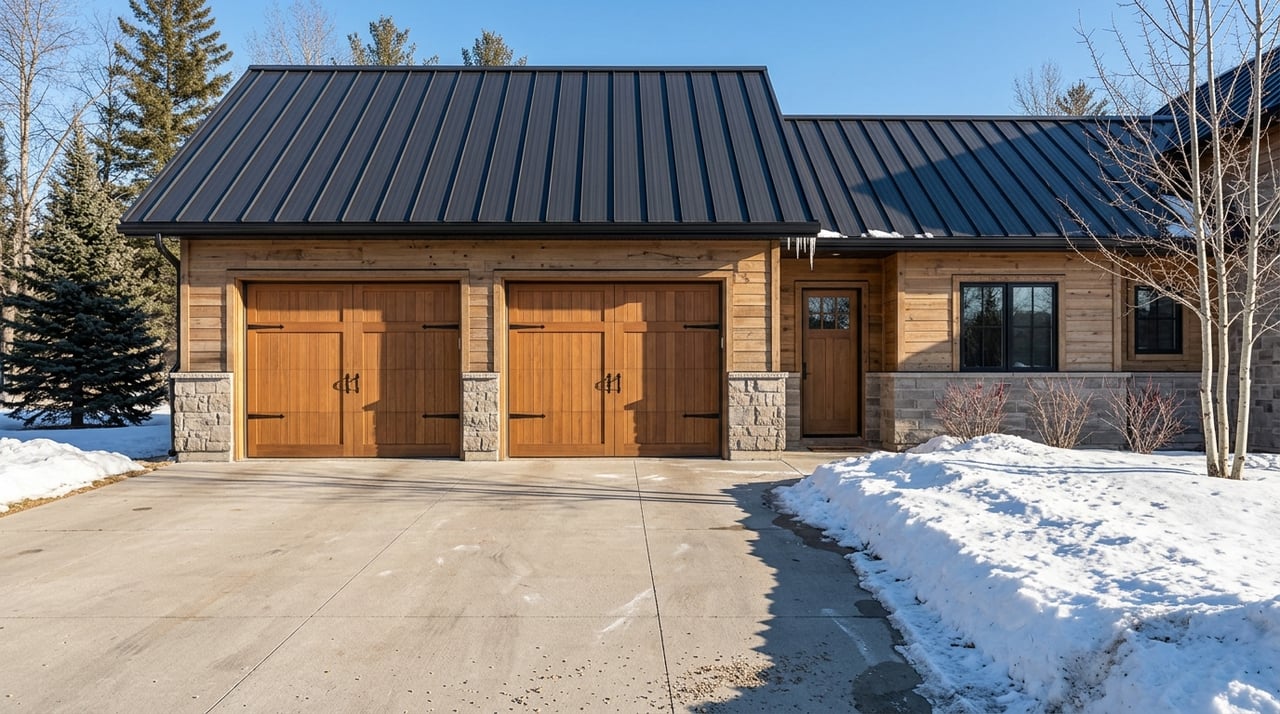
- Covered parking or a garage
- Space for winter gear
- Room to manage plowed snow
- Convenient access to the main road network
These features can make early mornings easier and help reduce small frictions that add up over time. In a mountain setting, convenience at home often matters as much as square footage.
In-Town Victor vs. Out-of-Town Properties
Location within Victor can shape your routine too. For transit users, in-town homes are generally more convenient because the commuter route serves both Victor Transit Center and Victor Depot.
If you want the option to use START on some days, being closer to those stops can simplify your week. It can also give you another way to handle days when you would rather not drive over the pass yourself.
Out-of-town properties may still be a strong fit, especially if you want more land or a different setting. The tradeoff is usually convenience, along with more snow-management responsibility and a longer first leg before you even start the drive toward Jackson.
Who This Lifestyle Fits Best
This setup can work well if you value Victor’s setting and want access to Jackson Hole for work or lifestyle reasons. It may also appeal to buyers who do not need to make the trip every single day.
In many cases, the best fit is someone who understands that mountain living comes with real logistics. If you are comfortable planning around seasons, road reports, and commute structure, Victor can offer a compelling balance.
The key is to match your property choice with your real routine, not an idealized one. A home that works beautifully in July should also make sense in January.
Planning Your Move With the Commute in Mind
When you tour homes in Victor, it helps to think beyond finishes and views. Ask yourself how the property supports your weekday life, especially during winter and shoulder seasons.
A few practical questions can help:
- How quickly can you reach the main road network?
- Is there covered parking or sheltered storage?
- Where will snow go after plowing?
- Would you realistically use transit from this location?
- How many days per week do you expect to commute?
These questions can bring clarity fast. They also help you focus on homes that support the version of mountain-town living you actually want to maintain.
If you are considering a move to Victor or weighing the tradeoffs between Victor and Jackson-area living, working with a local team can help you narrow the field and focus on properties that fit your schedule, priorities, and long-term plans. When you are ready, connect with Campbell • McPeak • Jennings Property Group for knowledgeable guidance across Teton Valley and Jackson Hole.
FAQs
What is the Victor to Jackson Hole commute like?
- It is a mountain-pass commute over WY-22 and Teton Pass, which WYDOT describes as steep, curvy, and hazardous.
How does winter affect commuting from Victor to Jackson?
- Winter can bring closures, icy roads, reduced visibility, and blowing snow, which can make travel slower or disrupt it entirely.
Is there a bus from Victor to Jackson Hole?
- Yes. START operates a weekday-only commuter service with scheduled morning departures from Victor and late-afternoon or evening return trips from Jackson.
What happens if Teton Pass closes?
- Drivers may be directed to a detour using SH-31, US-26, and US-89, and ITD said that during the June 2024 closure this added 30 to 75 minutes.
What home features matter for Victor commuters?
- Many buyers prioritize covered parking or a garage, storage for winter gear, space for plowed snow, and easy access to main roads.
Is living in town better for commuting from Victor?
- For some buyers, yes. In-town locations are generally more convenient for transit use because the commuter route serves Victor Transit Center and Victor Depot.