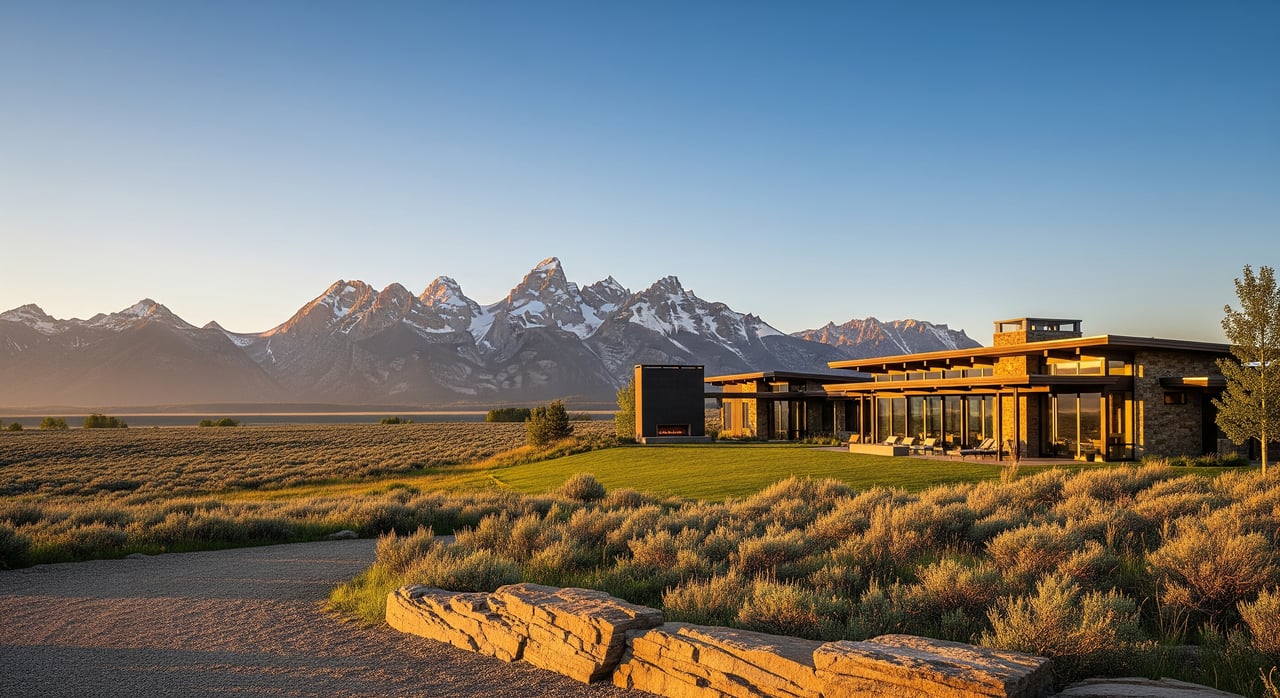
Craving more elbow room without losing the Jackson Hole lifestyle you love? South of Jackson offers exactly that: open views, quiet acreage, and a straightforward drive to town. If you want space for horses, a bigger workshop, or simply a wider sky, this corridor deserves a close look. In this guide, you’ll learn what “south of town” really means, the property and utility realities, commute options, recreation access, and the key checks to make before you buy. Let’s dive in.
What “south of Jackson” means
When locals say “south of Jackson,” they mean the valley floor and foothills stretching from the town limits down the US‑26/89/189/191 corridor toward Hoback Junction. You’ll find a mix of parcels just outside town and more rural acreage farther down the valley. Views range from striking Teton Range vignettes to broad eastern vistas depending on lot elevation and siting.
Much of this area lies in unincorporated Teton County, which uses county zoning and development rules. The focus is on protecting wildlife habitat, scenic corridors, and rural character. That planning approach shapes what you can build, how much you can build, and where you can place structures.
Property types and parcel patterns
South-of-town inventory leans rural residential and ranch. Common options include:
- Small‑acreage single‑family homes on 1–10 or more acres, often with private yards and room for barns or garden space.
- Larger ranch and agricultural parcels, sometimes with water rights and working infrastructure.
- Cabins and second‑home retreats that prioritize views and privacy.
- Vacant land for custom builds, often positioned for southern exposure or ridge‑line vistas.
Condos and townhomes are less common here than in the Town of Jackson. If you want lock‑and‑leave convenience, you’ll find more options in-town or at resort zones. If you want acreage, elbow room, and a quieter setting, south of town is a strong fit.
Zoning, easements, and conservation
Rules and overlays vary by parcel. Many properties fall under Teton County zoning and conservation priorities that affect density, building footprints, and fencing. Start with the county’s land use resources to understand what is allowed. For specifics, review the county’s development guidance through Teton County Planning and Building. If you are close to town boundaries, also check Town of Jackson planning.
Expect potential encumbrances such as conservation easements, wildlife buffers, scenic corridor overlays, or recorded covenants. These can influence view protection, structure locations, fencing types, and lighting. A thorough title review and early talks with county planners will help you avoid surprises and align your project with local standards.
Utilities and infrastructure
Utilities vary widely by address. Before you write an offer, confirm what is in place and what you will need to add.
- Water and sewer: Many properties outside the town limits rely on private wells and septic systems. You will need permits, site studies, and proper design for septic and leach fields. Town water and sewer rarely extend beyond the boundary, so connections depend on proximity to service lines.
- Power and energy: Electric service is available across the valley, but natural gas can be limited. Many rural homes use propane, electric, or wood and pellet systems for heat.
- Internet and cell: Coverage ranges from fiber and cable in select pockets to DSL, fixed wireless, or satellite in more rural spots. Verify providers and speeds at the property level.
- Roads and snow: The main US‑26/89/189/191 corridor is maintained, but private drives and subdivision roads may be homeowner responsibilities. If you have a long driveway, budget for snow removal and equipment access.
The bottom line: utilities vary by parcel. Confirm feasibility and costs up front so you can plan your timeline and budget.
Access and commute
You’ll drive most places when you live south of town. Drive times range from short to moderate depending on where you land.
- Parcels just outside the town boundary often sit 5–15 minutes from central Jackson.
- Properties closer to Hoback Junction are commonly 15–35 or more minutes from downtown.
Peak traffic can pick up during tourist and ski seasons. In winter, snowfall and plow berms can slow travel, though the main highway is generally kept open. If you prefer to skip some trips by car, review START Bus routes for service to your area and schedule patterns by season.
If you fly often, the good news is that Jackson Hole Airport sits on the south approach to town. Proximity can shave time off your travel days. Check flight options and timing through the Jackson Hole Airport.
Recreation and lifestyle
Living south of Jackson puts you closer to the Snake River and several tributaries. Fishing, rafting, and kayaking are close by, with multiple river access points within a short drive for many parcels. The Hoback River corridor and Granite Hot Springs offer a big backyard feel for day trips.
Trailheads on nearby public lands open the door to hiking, biking, and winter touring. Explore access points and seasonal information with the Bridger‑Teton National Forest. For downhill skiing, Snow King is in town and Jackson Hole Mountain Resort is to the north, so plan on drive time if you ski most days.
The lifestyle here balances privacy and open space with quick access to Jackson’s dining, arts, and services. Many residents choose the corridor for quiet mornings, starry nights, and a bit more separation from the resort bustle.
Schools, healthcare, and services
Homes south of Jackson are served by Teton County School District #1. School assignments and bus routes depend on where you live, so verify details and commute times with Teton County School District #1.
Primary care, hospital services, and most shopping are centered in Jackson. Expect to drive into town for groceries, appointments, and entertainment. Emergency services cover the county, with response times influenced by distance and conditions.
Wildlife and day‑to‑day living
This corridor is active habitat for elk, moose, deer, and black bears, with occasional grizzly activity. You will see wildlife and should plan for it. Follow local guidance on bear‑resistant waste storage, attractant management, and wildlife‑friendly fencing. For best practices and seasonal advisories, review resources from Wyoming Game and Fish.
Simple habits help: keep trash secured, store pet food indoors, and give animals ample space when encountered. Fencing and landscaping choices can also reduce wildlife conflicts and protect migration pathways.
Buyer checklist and due diligence
A bit of homework goes a long way here. Use this checklist to frame your offer and inspection period.
- Title and encumbrances: Review conservation easements, HOA covenants, rights‑of‑way, and any agricultural leases. Confirm how each affects building, fencing, access, and operations.
- Zoning and permitted uses: Confirm allowable uses, lot coverage, setbacks, accessory structures such as barns or guesthouses, and any scenic or wildlife overlays. Start with Teton County Planning and Building and, if relevant, Town of Jackson planning.
- Utilities feasibility: Verify well permits, septic suitability, and any path to connect to public utilities. Confirm power availability, line locations, and telecom options.
- Site constraints: Order surveys and check floodplain and wetlands maps. Confirm soils and driveway grades, and assess winter access.
- Permits and timing: Ask about timelines for building, septic, well, and any environmental reviews so you can plan your construction calendar.
- Insurance and hazards: Review wildfire risk and floodplain status. Obtain quotes for property and hazard coverage before closing.
- HOA and roads: If the parcel is in a subdivision, check covenants, fees, design rules, and road maintenance agreements.
- Valuation and taxes: For parcel history and assessments, consult the Teton County Assessor.
Is south of Jackson a fit for you
You may love it if you want:
- Larger lots and privacy with open views.
- Room for horses or outdoor hobbies.
- A quieter setting with easy access to rivers and public lands.
- The flexibility to plan a custom build on rural acreage.
Plan for these tradeoffs:
- Longer drives to grocery, dining, and schools compared with in‑town living.
- Private infrastructure such as wells, septic, and propane.
- Seasonal realities like snow removal and winter vehicle needs.
- Planning and permitting steps that take time and coordination.
Next steps
If space, views, and access are high on your list, south of Jackson is worth touring in person. We can help you confirm zoning, utilities, and access details at the parcel level, and introduce you to off‑market and pre‑market opportunities that match your goals. When you are ready to explore, reach out to The McPeak Group for a thoughtful, local plan.
FAQs
How long is the drive to downtown Jackson from south‑of‑town neighborhoods?
- Parcels just outside town are often 5–15 minutes to central Jackson, while areas closer to Hoback Junction are commonly 15–35 or more minutes depending on location and traffic.
Are wells and septic common for homes south of Jackson?
- Yes, many properties outside town limits use private wells and septic systems, which require permits, site studies, and proper design.
Is public transit available if I live south of Jackson?
- The START Bus operates valley routes with seasonal variations, so check START Bus route information for service near your address.
Can I short‑term rent a property south of town?
- Short‑term rental rules differ between the Town of Jackson and unincorporated county areas, so verify current regulations and any permits required before you buy.
Which schools serve homes south of Jackson, and how do I confirm?
- Teton County School District #1 serves the area, and assignments depend on residence; confirm routes and schools with Teton County School District #1.
What winter access and snow removal should I plan for?
- Expect county or state maintenance on main roads and private responsibility for subdivision roads and driveways, so budget for plowing and consider AWD or 4x4 for winter months.