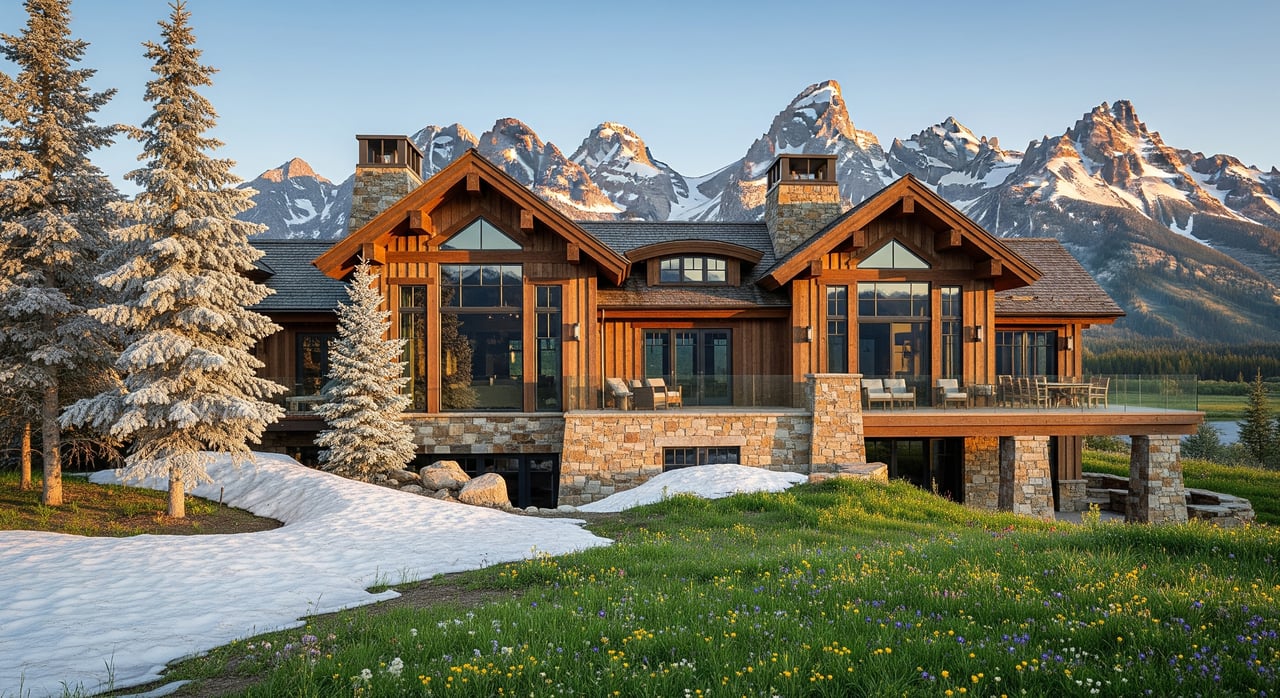
Wondering why Jackson Hole seems to bloom with listings in summer and quiet down in winter? You are not imagining it. Our market follows a clear seasonal rhythm that shapes what you can buy, how you should list, and when you will face the most competition. In this guide, you will learn how inventory and buyer behavior shift by season, what is unique about the North‑of‑Jackson micro‑market, and practical timing tips for buyers and sellers. Let’s dive in.
Jackson Hole’s seasonal rhythm
Jackson Hole is a destination market with strong summer tourism and a world‑class ski season. That cycle influences when owners choose to list and when buyers are in town to tour.
- Summer typically brings the highest listing volume and the broadest buyer pool. Out‑of‑area buyers are here, the weather is ideal for showings, and you will see a wider range of price points and property types.
- Winter generally shows fewer active listings, but the buyers who are looking tend to be motivated. Ski‑oriented and relocation buyers are active, and well‑priced, ski‑adjacent properties can move quickly.
Winter vs. summer at a glance
Summer market
- Larger inventory across condos, single‑family, and land.
- More in‑person showings from second‑home and investor buyers.
- Better conditions for exterior photography, landscaping, and site evaluations.
- More competition on standout listings, with faster activity on prime properties.
Winter market
- Fewer total listings as some owners wait for spring.
- Motivated buyer pool, including ski buyers and locals who need to transact.
- Showings and inspections require weather planning and snow management.
- Days on market can stretch for non‑prime properties; ski‑oriented listings can still move.
What really changes by season
- Buyer mix: Summer skews toward out‑of‑area and second‑home buyers. Winter interest concentrates near ski access, with steady local activity year‑round.
- Pricing pressure: Lower winter inventory can help sellers on unique or ski‑proximate homes. Summer brings more comps and more head‑to‑head competition.
- Marketing needs: Summer highlights exteriors and views. Winter demands strong interior photography and curated snow management for curb appeal.
- Logistics: Winter access, driveways, and inspections take planning. Summer makes due diligence on land and acreage far easier.
North‑of‑Jackson micro‑market
For this article, think of “North of Jackson” as the corridor and neighborhoods north of the Town Square along Highways 89/191 toward Moose and Moran, with proximity to Grand Teton National Park. Exact boundaries vary by MLS subarea, so your strategy should reference current subarea data.
What to expect:
- Park proximity can smooth seasonality. Buyers value access and views year‑round, so interest may be steadier than the valley average.
- Winter supply often dips. Larger lots and more remote properties are easier to show in summer, so some owners delay listing until late spring.
- Ski demand is mixed. Areas without easy ski access may see less winter touring compared with Teton Village and ski‑adjacent neighborhoods.
- Land and acreage are more seasonal. Access roads, site lines, and due diligence are simply easier when snow is gone.
Seller timing and prep
When to list
- Aim for late spring or early summer if you want maximum exposure to out‑of‑area buyers and the broadest inventory cycle.
- Consider a late fall or winter launch if inventory is tight, your property is compelling in winter, or you need a faster timeline.
- Price with month‑by‑month comps rather than broad annual averages. Seasonal swings can mask the true picture for your property type.
Preparation checklist
- Pre‑listing checkup: Consider a pre‑inspection to spot fix‑it items early.
- Snow plan: Book plowing and safe walkway access for winter showings.
- Photography: Invest in high‑quality interiors year‑round, plus exteriors when weather cooperates. Add virtual tours for remote buyers.
- Staging and comfort: Highlight light, warmth, and gathering spaces in winter. Showcase outdoor living, views, and landscaping in summer.
- Timing calendar: Build a marketing runway that aligns with when your target buyer is most likely to be here.
Buyer timing, negotiation, and inspections
Shopping in winter
- You may face less competition on non‑prime listings, which can help with negotiation.
- Budget time for weather‑limited inspections. Some septic or ground tests are harder with frozen soil; use seasonal contingencies where appropriate.
- If you are ski‑focused, winter showings give you a true sense of access, snow load, and drive times.
Shopping in summer
- Expect more choices but also more competing buyers on the best properties.
- Due diligence is easier. You can evaluate landscaping, access roads, drainage, and building sites for land and acreage.
- Move quickly on standouts. Have financing and inspection teams lined up before you tour.
Year‑round tactics
- Get fully pre‑approved and align your closing timeline with seasonal realities.
- Ask your agent to set up MLS saved searches with real‑time alerts and to tap local networks for coming‑soon and off‑market opportunities.
- Use clear offer terms and realistic contingency windows based on the season.
Off‑market and pre‑market playbook
- Tap agent networks: Pocket listings, brokerage pocket lists, and coming‑soon statuses where available can surface options before the crowd.
- Join local brokerage email lists and neighborhood updates to hear about new opportunities early.
- Targeted outreach: For land or unique properties, your agent can coordinate compliant, respectful owner outreach.
- Monitor public activity: New permits and certain filings can hint at future listings. This requires care and adherence to local rules.
- Set alerts: Use MLS‑driven saved searches with email or text notifications. Add Google Alerts for specific neighborhood names or phrases if you want broader awareness.
How to choose your moment
Start with your goals, property type, and location, then layer in seasonality. A ski‑adjacent condo may thrive in winter. A view‑oriented home or acreage north of town may show best with summer access and green landscapes. The right answer is local and property specific.
If you want a timing plan backed by month‑by‑month Jackson Hole MLS data and on‑the‑ground insight, reach out. The McPeak Group can tailor strategy, pricing, and alert systems to your needs and keep you ahead of both on‑market and pre‑market opportunities.
Ready to plan your move or list with confidence? Contact The McPeak Group to build a season‑smart strategy and set up curated alerts for Jackson Hole and the North‑of‑Jackson area.
FAQs
When is the best time to list a Jackson Hole home?
- Late spring to early summer typically maximizes exposure, but winter can work well for ski‑proximate or unique homes when inventory is tight.
Is it better to buy in winter or summer in Jackson Hole?
- Winter can mean less competition on non‑prime listings, while summer offers more choices and easier due diligence; the right season depends on your goals.
How does the North‑of‑Jackson market behave differently by season?
- Park proximity supports steady interest, winter supply often dips, and land or larger parcels usually show better in summer when access and site views are clear.
How can I hear about listings before they hit the MLS in Jackson Hole?
- Ask your agent to set real‑time MLS alerts, join brokerage email lists, track coming‑soon opportunities, and use targeted, compliant outreach for specific property types.
Will winter weather affect inspections and closing in Teton County?
- Yes, some tests are limited in frozen conditions; plan seasonal contingencies, schedule snow management for access, and allow extra time where needed.